Ensuring Safety Through Asbestos Building Inspector Training
Asbestos building inspector training programs are designed to equip professionals with the knowledge and skills necessary to identify, assess, and manage asbestos hazards effectively. These programs cover a range of topics, including asbestos regulations, health effects, sampling techniques, and risk assessment methodologies. By undergoing rigorous training, inspectors can accurately identify ACMs, evaluate their condition, and recommend appropriate abatement measures to mitigate exposure risks.
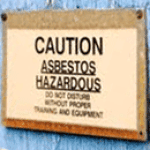
One of the key components of Asbestos Building Inspector Training is understanding the regulatory framework governing asbestos management. In many countries, strict regulations are in place to govern the handling, removal, and disposal of asbestos-containing materials. Inspectors must familiarize themselves with these regulations to ensure compliance and promote best practices in asbestos management.
Furthermore, asbestos building inspector training emphasizes the importance of proper sampling and analysis techniques. Inspectors learn how to safely collect samples of suspected ACMs and submit them to accredited laboratories for analysis. Accurate identification of asbestos-containing materials is essential for developing effective management plans and protecting building occupants from exposure.
Risk assessment is another critical aspect of asbestos building inspector training. Inspectors are trained to assess the condition of ACMs and evaluate the potential risks associated with their presence. Factors such as the friability of the material, its location within the building, and the likelihood of disturbance are all taken into account when determining the level of risk posed by asbestos-containing materials.
In addition to technical knowledge, Asbestos Contractor Supervisor Initial also emphasizes the importance of effective communication and teamwork. Inspectors often work closely with building owners, contractors, and other stakeholders to develop comprehensive asbestos management plans. Clear communication is essential for ensuring that all parties involved understand their roles and responsibilities in preventing asbestos exposure.
Continuous education and professional development are also emphasized in asbestos building inspector training programs. Asbestos regulations and best practices are constantly evolving, and inspectors must stay up-to-date with the latest developments in the field. By participating in ongoing training and professional development activities, inspectors can enhance their skills and knowledge to better serve their clients and protect public health.
Comments
Post a Comment